AI Agent vs Chatbot: Understanding the Differences
Estimated reading time: 6 minutes
Key Takeaways
- AI agents can learn and adapt, while chatbots primarily follow scripts.
- AI agents handle complex tasks and make autonomous decisions.
- Chatbots are effective for routine inquiries but struggle with complexity.
- Understanding these differences can help in choosing the right technology for business needs.
Table of contents
The world of technology is constantly evolving, and terms like AI agent and chatbot frequently surface in conversations about enhancing business communication and customer service. This blog post explores their differences, unique features, and potential applications, assisting businesses in selecting the most suitable technology.
Understanding AI Agents
Definition
AI agents are advanced systems capable of performing tasks autonomously. Unlike simple programs, AI agents can learn from experiences and adapt their responses, making them more intelligent over time. They are designed to manage complex tasks without human intervention, allowing businesses to automate decision-making processes effectively.
Features and Capabilities
- Autonomy: They operate independently and can make decisions on behalf of users.
- Adaptability: AI agents learn from interactions, adjusting their behavior to improve performance.
- Advanced Decision-Making: Unlike basic scripts, AI agents analyze data and can execute a range of actions based on their findings.
Use Cases
AI agents are employed across numerous industries, including:
- Healthcare: Used for patient monitoring and personalized treatment recommendations.
- Customer Service: AI agents can interact with customers, resolve issues, and provide assistance without human involvement.
- Finance: They manage investment portfolios by analyzing market trends and consumer behavior.
For further insights into the applications of AI in business contexts, visit CRM Integration with AI Agents.
Understanding Chatbots
Definition
Chatbots are software applications designed to simulate conversation with human users. They use pre-determined scripts to respond to user inquiries, often focusing on specific tasks rather than engaging in dynamic dialogue.
Features and Capabilities
- Scripted Responses: Chatbots follow a fixed flow of conversation, relying on programming to provide replies.
- Limited Scope: While effective for routine inquiries, chatbots can struggle with more complex or nuanced questions.
- Task Orientation: They are primarily used for specific tasks like answering FAQs or scheduling appointments.
Use Cases
Chatbots are widely utilized in areas such as:
- Customer Service: Helping users with common questions and issues promptly.
- E-commerce: Assisting customers in product selection and processing orders.
- Engagement: Keeping users informed about new offers or promotions.
Their limitations in handling complex queries are often referred to as chatbot limitations, which can hinder user experience in intricate interactions.
AI Agent vs Chatbot: Key Differences
Functional Comparison
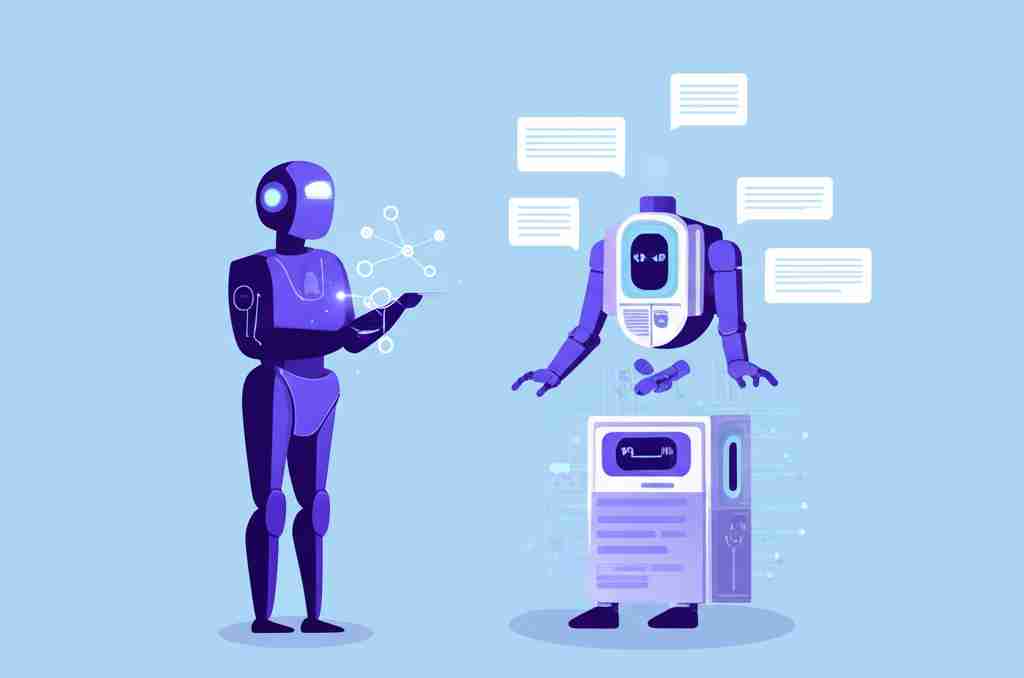
One significant distinction between AI agents and chatbots is their functionality. AI agents are proactive; they can make decisions and initiate actions without awaiting input. In contrast, chatbots are reactive, only responding when a user engages them with a prompt.
Performance and Responsiveness
When it comes to speed and proficiency, AI agents typically outperform chatbots. They employ sophisticated algorithms to analyze situations and deliver timely, efficient responses, while chatbots may lag, especially when faced with unexpected inquiries.
Human-like Interaction
AI agents are designed to provide more engaging and human-like interactions. Through their learning capabilities, they improve their conversational skills, offering personalized experiences. Chatbots, relying on pre-set responses, lack this ability, making them feel less relatable.
Chatbot Limitations
Chatbots are limited in their ability to understand context and perform complex problem-solving. They often fail when presented with ambiguous questions or when context is required to deliver a meaningful response.
In summary, the AI vs chatbot discussion centers on automation’s effectiveness and responsiveness, where AI agents showcase superior capabilities in both adaptability and human-like interaction.
Chatbot Platforms Comparison
Overview of Popular Platforms
Several platforms provide chatbot capabilities. Here are a few notable ones:
- Chatfuel: Geared towards businesses looking to automate responses on Facebook Messenger.
- ManyChat: Focused on conversational marketing, enabling businesses to create bots tailored for customer engagement.
- Dialogflow: Powered by Google, offering robust tools for building conversational agents across different platforms.
Features, Pricing, and Target Audiences
Each platform varies in terms of features and pricing:
- Chatfuel: Free for basic usage, allowing simple bot creation, with pricing tiers for more advanced features.
- ManyChat: Offers a free version but has monthly plans based on the size of the audience.
- Dialogflow: Provides a free tier with advanced features available in paid plans, suitable for developers and larger enterprises.
Pros and Cons
Every platform has its merits and drawbacks:
- Chatfuel Pros: Simple interface, easy to set up.
- Chatfuel Cons: Limited to Messenger integration.
- ManyChat Pros: Comprehensive marketing options, SMS integration.
- ManyChat Cons: May become costly for larger audiences.
- Dialogflow Pros: Highly customizable, supports voice and text queries.
- Dialogflow Cons: Requires technical knowledge to fully utilize its features.
For businesses considering a chatbot platform, conducting a chatbot platforms comparison can help find the best fit for their specific needs.
Intelligent Agent vs Chatbot
Definitions
An intelligent agent is a broad term used to describe systems that can perform tasks autonomously, learn from their environment, and adapt their strategies accordingly. Chatbots, on the other hand, are a specific type of software designed primarily for carrying out conversational interactions.
Comparison
Key characteristics where intelligent agents and chatbots differ include:
- Learning Capabilities: Intelligent agents learn from experience and improve over time; chatbots typically do not adapt through interactions.
- Adaptability and Customization: Intelligent agents can adjust to varied contexts, while chatbots are restricted to their programmed paths.
- Applications Across Industries: Intelligent agents can be utilized in many fields, providing critical insights and decision-making support, whereas chatbots are more focused on customer interactions and basic task completion.
Understanding the intelligent agent vs chatbot dynamic is essential for recognizing which technology is suitable for particular business applications.
Conclusion
In conclusion, recognizing the differences between AI agents and chatbots is vital for businesses aiming to leverage technology effectively. While both serve to enhance user interactions and streamline operations, their functionalities and capabilities vary significantly.
Businesses should consider their specific needs when deciding between implementing an AI agent or a chatbot. For complex interactions and decision-making processes, AI agents are a better choice. However, for straightforward tasks and immediate responses, chatbots serve their purpose well.
As technology continues to evolve, staying informed about advancements in AI will help businesses make intelligent choices that foster growth and innovation.
Frequently Asked Questions
What is the primary difference between an AI agent and a chatbot?
AI agents can learn and adapt over time, while chatbots primarily follow pre-defined scripts to respond to user queries.
Can chatbots handle complex inquiries?
Typically, chatbots struggle with complex inquiries as they rely on scripted responses that may not account for unexpected questions.
In what scenarios should businesses use AI agents over chatbots?
Businesses should deploy AI agents for situations that involve complex decision-making or require adaptive learning, while chatbots are more suited for routine queries.
If you have experiences or questions regarding AI technologies, feel free to share your thoughts in the comments. For more resources on AI in the business landscape, explore our additional reading options, including:
By understanding the fundamentals of AI agents and chatbots, businesses can embrace the future of technology with confidence.
Our Offer
At AI Automation Brisbane, we specialise in empowering local businesses through intelligent automation and AI-driven solutions designed specifically for your unique challenges. Our services are tailored to streamline your operations, enhance customer engagement, and drive growth without overwhelming your resources.
We offer innovative AI Agent solutions such as Product Assistant Chatbots, which instantly handle customer inquiries about product details, pricing, availability, and shipping—significantly reducing repetitive tasks for your team. Our AI agents seamlessly integrate with your existing website and e-commerce platforms, providing 24/7 responsive customer service that enhances user satisfaction and boosts your online sales.
Additionally, our automation solutions extend to business-critical processes including DocuSign Agreement Workflows, Training Booking Email Systems, and Lead Qualification Bots. Each solution is customised to your specific business operations, ensuring accuracy, efficiency, and seamless integration with your current technology stack.
Our Customer Follow-Up Automation ensures timely, personalised communication, helping you nurture leads effectively and retain existing customers. Meanwhile, our intelligent FAQ & Information Hub Agents offer instant, precise answers to common queries, allowing your human team to focus on high-value tasks.
Partnering with AI Automation Brisbane means you’re investing in smart solutions that simplify your workflows, eliminate costly errors, and create remarkable customer experiences. Whether you operate in e-commerce, hospitality, real estate, trades, professional services, healthcare, or education, our customised AI and automation services are designed to propel your business forward.
Experience firsthand how intelligent automation can enhance your efficiency, save time, and amplify profitability. Let AI Automation Brisbane unlock your business’s true potential—making your operations smarter, faster, and more profitable.