AI and Copyright: Is There a Need to Balance the Rights of Authors with the Need to Train AI?
Introduction: The Rise of AI and the Copyright Conundrum
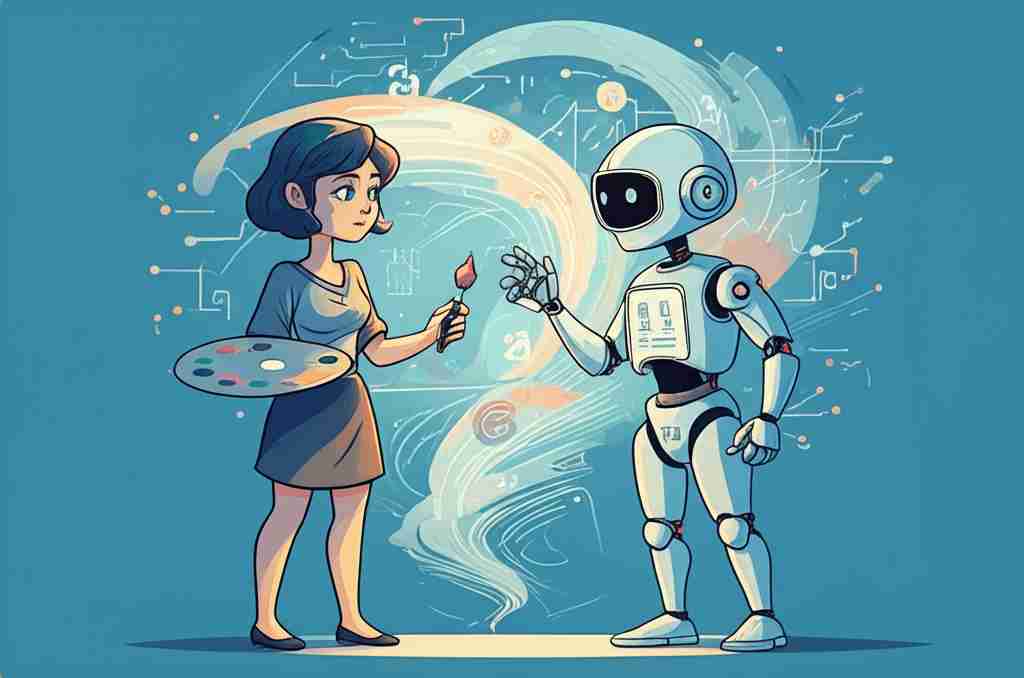
Artificial intelligence (AI) has rapidly transformed creative industries, from music and art to digital content creation. As AI tools become increasingly capable of generating works that mimic human originality, a pressing question emerges: how should copyright laws adapt to recognize both the rights of human authors and the need for high-quality data to train AI? This dilemma is not theoretical—it touches musicians, YouTubers, content creators, and consumers alike, with significant real-world consequences. Whether you’re a creator or simply someone who enjoys creative works, understanding the intersection between AI and copyright law has never been more important.
The Challenge: Who Owns AI-Generated Content?
When you use AI to create a song, video, or artwork, who holds the copyright? Is it the user prompting the AI, the company behind the AI platform, or the unseen authors whose data trained the model in the first place? According to insights from a recent YouTube video dissecting this issue, the answer is far from clear:
- Current legal uncertainty: In 2023, the US Copyright Office clarified that AI-generated content, on its own, cannot be copyrighted. Only works with “sufficient human authorship” may qualify, but the standard for what counts as “sufficient” remains undefined.
- Real-world confusion: Content creators face a “wild west” scenario in which both AI-generated and human works can trigger copyright claims—even when neither party intends to infringe on another’s rights.
- Mechanics of copyright disputes: Platforms like YouTube hold monetization revenue in escrow during disputes, and the system can be easily abused by those submitting questionable claims through systems like Content ID.
This confusion is not just academic. The video recounts how, after using royalty-free, AI-generated music, a creator was unexpectedly hit with a copyright claim. Even after following all the rules, there was no simple recourse, highlighting how blurry the boundaries have become in the age of AI-generated works.
Balancing the Rights of Authors and the Need to Train AI
At the heart of this issue is the huge data appetite of modern AI systems. To function well, especially in fields like music or visual arts, AI systems are trained on massive datasets—often scraped from the open internet without explicit creator consent. This creates several major tensions:
- Authorial rights: Musicians, artists, and writers depend on intellectual property protections to safeguard their livelihoods. If their works are used, often without permission, to train AI systems, the value of their creative labor can be eroded.
- Need for robust AI: On the other hand, the effectiveness of AI is directly tied to the breadth and quality of the data it can access. Restricting training data can limit innovation and hinder technological progress that could benefit society as a whole.
The resulting situation is ripe for abuse. As demonstrated in the video, it’s possible—even easy—to generate AI music, distribute it via content platforms, and use copyright systems to make claims against other creators. Platforms may lack the resources or legal frameworks to differentiate between legitimate and bad-faith claims, leaving creators at risk.
Research published in the Law Society Journal of New South Wales found that the question of training data is attracting increasing attention as AI usage spreads. The study underlines the urgent need for legal mechanisms that balance respect for individual author rights with the societal benefits of AI development. Without such a balance, both the enforcement of copyright and the advancement of AI could stall at the expense of creators and consumers alike.
Risks, Abuses, and Real-World Consequences
Failing to address the balance between author rights and AI training can lead to widespread negative consequences. The YouTube case study highlights several key risks:
- Abuse of Copyright Systems: Content ID and related tools can be exploited, allowing individuals to claim ownership over AI-generated works and even target original human creators whose new works are flagged as “substantially similar” to AI-generated tracks.
- Harm to Artists and Innovators: When AI can emulate the sound of well-known musicians and others can copyright the imitations, the original artists may find themselves locked out of using their own style without facing legal hassles or financial loss.
- Chilling Effects on Creation: The fear of future legal headaches may discourage talented individuals from sharing their work, limiting the diversity and richness of cultural output.
- Ineffective Platform Enforcement: Many music distribution and content platforms lack meaningful safeguards, often relying on simple checkboxes for content uploaders regarding AI involvement—easy to bypass for malicious actors.
In practice, resolving any of these issues can be costly, time-consuming, and complex, with legal precedents still largely lacking. International boundaries further complicate matters, as copyright rulings seldom align perfectly across regions.
Moving Forward: Key Considerations and Practical Steps
Given these challenges, what can creators, AI developers, and policymakers do to foster a healthier creative ecosystem? Although concrete legal solutions are yet to take shape, there are several practical takeaways based on current realities:
- Transparency in AI Training: Advocate for AI platforms to disclose the data sources and obtain clearances or licensing where feasible. As the Law Society Journal of NSW study suggests, such transparency is a prerequisite for meaningful copyright enforcement.
- Update Legal Frameworks: Push for copyright laws that recognize the unique challenges posed by AI, particularly defining “sufficient human authorship” and establishing mechanisms to handle AI-generated works.
- Due Diligence for Creators: If you use AI-generated content, keep detailed records and consider avoiding platforms lacking robust review or dispute procedures.
- Community Standards and Education: Educate creators about the risks of using AI-generated or royalty-free music and the possibility of good-faith or malicious copyright claims.
- Awaiting Precedent: Recognize that courts are still developing precedents, and outcomes may vary depending on jurisdiction and the specific facts of each case.
Above all, creators are encouraged to continue making art, music, and content without succumbing to fear. While legal and technological solutions are still evolving, human creativity remains irreplaceable—and worth protecting.
Conclusion: Striking a Nuanced Balance for the Future
The intersection of AI and copyright law presents a complex, evolving challenge. As highlighted by both creator experiences and scholarly analysis, there is an urgent need to balance protection for original authors with the developmental needs of AI systems. Current systems are vulnerable to abuse and often fail to protect the very creators they were designed to help. Until laws are modernized and industry standards adapt, the creative community must navigate these risks thoughtfully while pushing for reforms that preserve both innovation and individual rights. Above all, creativity should remain a safe and rewarding pursuit for all, regardless of how technology evolves.
About Us
At AI Automation Brisbane, we help local businesses streamline operations and embrace new technology—like AI—safely and effectively. As creative industries navigate the evolving relationship between AI and copyright, our solutions are designed to prioritize transparency and responsibility, supporting innovation while respecting the rights of original creators. We’re committed to making the promise of AI work for everyone, fostering a balanced and ethical digital environment.