AI, Education, and Preserving Human Agency in a World of Automation
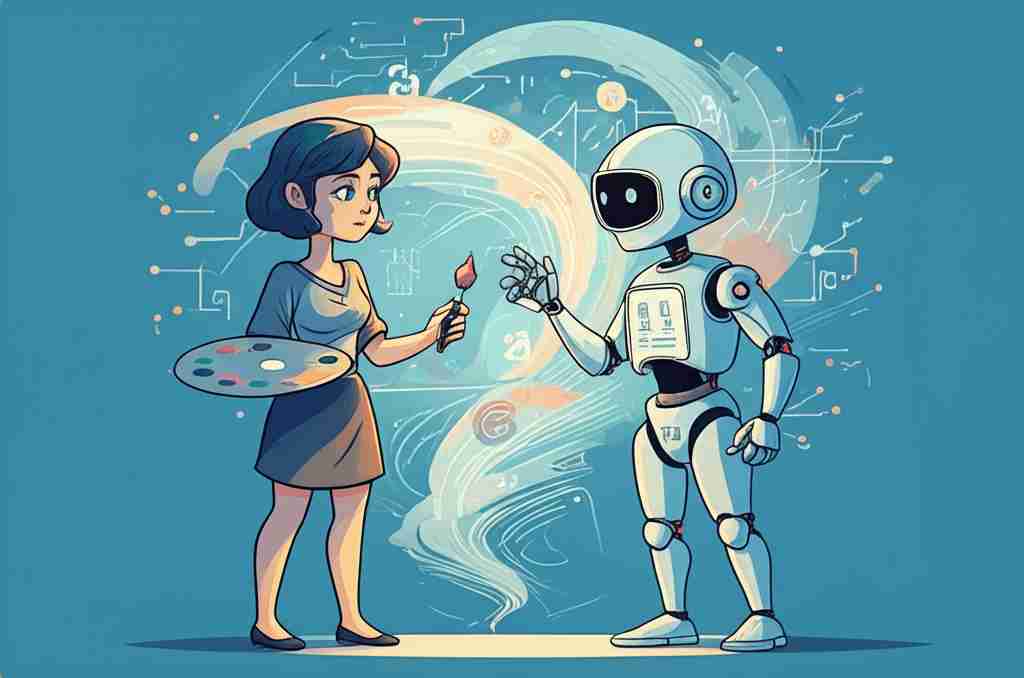
As the pace of technological development accelerates, artificial intelligence (AI) and automation are reshaping sectors from healthcare to education. For business leaders, educators, and students alike, this evolution presents both tremendous opportunity and substantial challenges. One of the most urgent debates centers on how to harness the efficiency and productivity of AI while ensuring that human agency — our ability to make choices, foster creativity, and retain control — remains protected. In this article, we explore the vital relationship between AI, education, and preserving human agency, drawing on recent findings and practical insights for those looking to succeed in this transformative era.
The Rise of AI Automation and Its Impact on Education
AI automation agencies are at the forefront of a significant shift in how businesses and educational institutions operate. These organizations leverage AI technology to streamline processes, analyze data, generate reports, and automate tasks such as sending emails or customer support. The adoption of such tools is changing the way we approach education and workforce development in several important ways:
- Enhanced Productivity: Automating administrative and repetitive tasks allows educators and business professionals to focus more on higher-order thinking, creativity, and personal development.
- Data-Driven Insights: AI-powered analytics can inform curriculum development, identify learning gaps, and tailor teaching strategies to individual students, creating more effective learning environments.
- Resource Optimization: Through automation, organizations can reduce costs and allocate human effort to areas requiring nuanced understanding and human judgment.
However, while these benefits are immense, they come with crucial considerations regarding the future roles of human beings in decision-making, creativity, and ethical reasoning — the core of human agency.
Understanding AI Automation Agencies: Opportunities and Responsibilities
AI automation agencies do more than implement technology; they guide clients through the transition to an AI-driven model. The foundation of these agencies’ work lies in their capacity to:
- Create AI chatbots that offer 24/7 support, handling customer inquiries and reducing the burden on human representatives.
- Deploy advanced data analysis tools, enabling faster and more accurate business insights.
- Automate content generation and administrative tasks that previously required manual intervention.
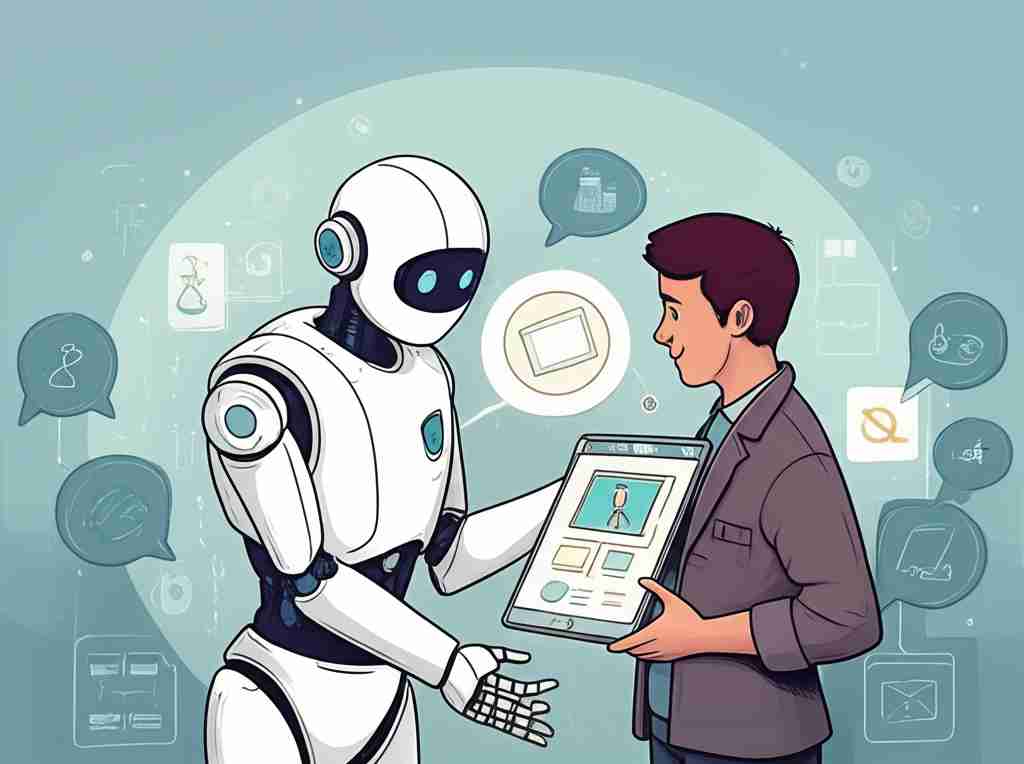
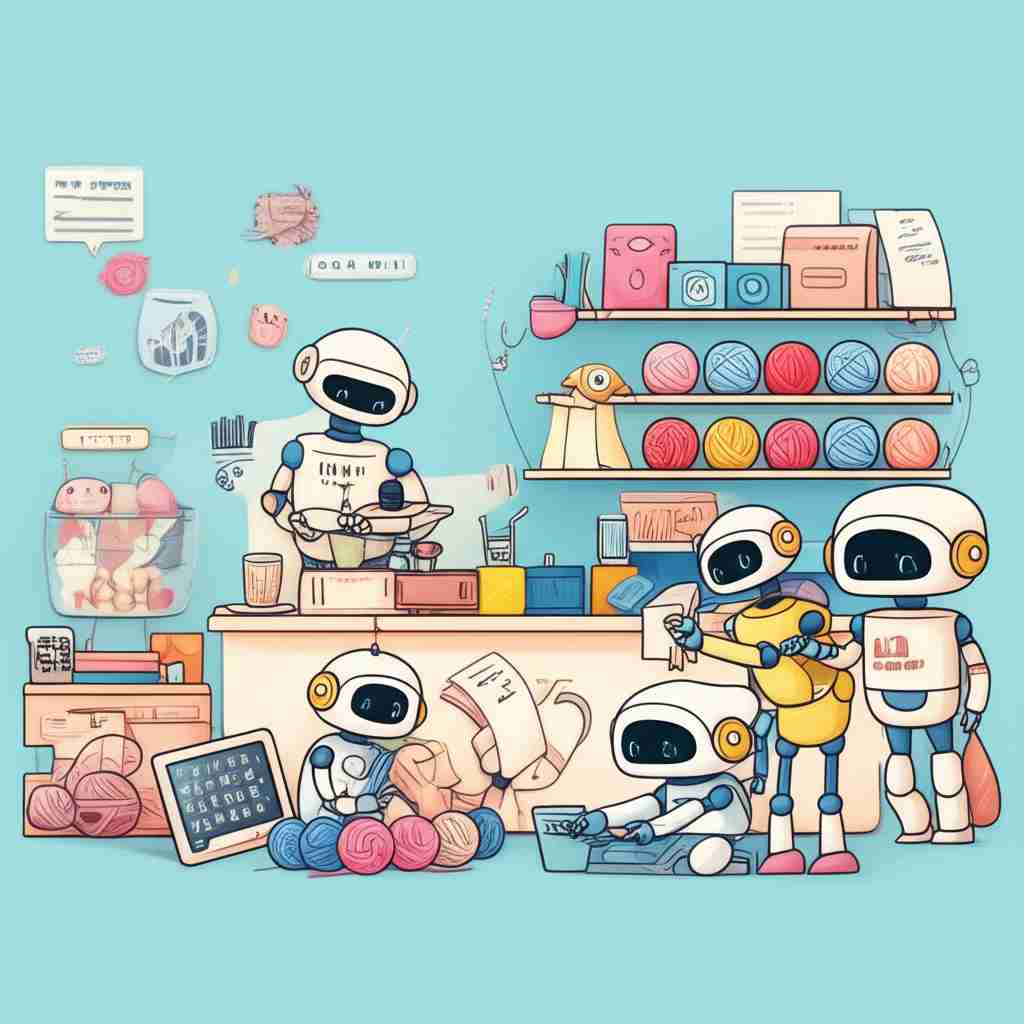
The work of such agencies exemplifies how embracing automation can free human workers from tedious routines, giving them more time to focus on complex challenges, creative pursuits, and relationship building. Importantly, successful AI automation agencies recognize their ethical responsibility to implement technologies that augment — rather than replace — human capabilities.
The Central Role of Education in Preserving Human Agency
Ensuring that AI and automation serve humanity, rather than diminish its role, revolves around the principle of preserving human agency. Education is the linchpin in this process by equipping individuals with:
- AI Literacy: Understanding how AI tools work, their limitations, and their societal impacts.
- Critical Thinking Skills: The ability to evaluate when and where automation should be used and to question outcomes generated by machines.
- Ethical Reasoning: Making informed decisions about the development and deployment of AI in a way that respects individual dignity and community well-being.
A study conducted at the International Day of Education and published by Tehran Times (AI, education, preserving human agency in a world of automation) affirms the urgent need for educational transformation in our AI-driven world. The study highlights that while AI offers remarkable tools for efficiency and productivity, educators must consciously foster environments where human choice, creativity, and judgment remain central. The authors emphasize that the future of education should not be about replacing teachers with algorithms but about empowering both students and educators to leverage these technologies thoughtfully, ensuring that human agency is not sacrificed amid increasing automation.
Practical Steps to Balance Automation with Human Agency
For entrepreneurs, business leaders, and educators aiming to leverage AI while upholding human agency, consider the following actionable strategies:
- Engage in Continuous Learning: Participate in online courses, workshops, or certification programs focused on AI and its applications to remain informed about emerging tools and ethical implications.
- Choose the Right Tools: Opt for scalable platforms such as IBM Watson, Google Cloud AI, or Microsoft Azure AI that allow customization and human oversight at key decision points.
- Maintain Human-in-the-Loop Approaches: Design processes where human review and intervention are routine, particularly in areas involving ethics, fairness, or complex problem-solving.
- Foster a Collaborative Culture: Build teams that value diverse perspectives, encourage dialogue about the role of automation, and promote professional development in both technical and non-technical skills.
- Communicate Transparently: With clients, students, or team members, clearly explain the purposes and limitations of AI systems, inviting feedback and shared decision-making.
These steps can help organizations benefit from automation without relinquishing control or stifling innovation and creativity.
Building a Future Where Technology Amplifies Human Potential
The evolution of AI and automation offers an exciting frontier for entrepreneurship, education, and social progress. Starting or collaborating with an AI automation agency is more accessible than ever — even for those without a technical background, thanks to opportunities for outsourcing and team-building. However, the most successful ventures will be those that actively prioritize human values:
- Invest in people as much as technology, recognizing that the greatest breakthroughs occur at the intersection of human insight and machine efficiency.
- Champion adaptability and compassion in the workplace, where team members are empowered to learn, lead, and innovate alongside AI tools.
- Regularly reassess policies and systems to ensure technology remains a facilitator rather than a dictator of decisions and behaviors.
By aligning human agency with technological advancement, we can ensure that AI serves as a catalyst for personal growth, meaningful work, and societal progress.
Conclusion
AI and automation are transforming the landscape of education and business, offering tools that can enhance productivity, deliver data-driven insights, and create new opportunities for innovation. Yet, as both the Tehran Times study and current best practices reveal, the challenge lies in integrating AI in ways that protect and promote human agency. By focusing on thoughtful education, robust ethical frameworks, and continuous adaptation, we can build a future where technology not only automates the routine but also amplifies what makes us uniquely human.
About Us
At AI Automation Brisbane, we help businesses embrace AI and automation to streamline tasks and unlock new opportunities. We believe in using technology to boost productivity while ensuring people remain at the heart of every process. Our solutions free up time for creative work and decision-making—so you can focus on what matters most as technology evolves.