Study: Why Some Companies Fail to Benefit from AI—It’s About the People, Not the Tech
Introduction: The Hidden Barrier to AI Success
Artificial intelligence is rapidly transforming industries, promising unprecedented gains in efficiency, productivity, and competitive advantage. Yet, many organizations—despite heavy investments in cutting-edge AI technologies—find themselves struggling to realize these promised benefits. What’s standing in the way? Surprisingly, it’s not the sophistication of the algorithms or the volume of data being processed. The real barrier, according to emerging thought leadership and research, is people: their interests, incentives, and their resistance (or openness) to change.
Why AI Projects Fail: It’s Not Just a Tech Problem
Enterprises continue to pour resources into AI, but failures and stalled projects are common. Through firsthand experience in AI implementation, industry experts have observed a recurring pattern: addressing technical challenges is only half the battle. The other half lies within your own organization—among the people asked to embrace, support, and ultimately work with or alongside AI systems.
- Executives and Owners: Eager to implement AI for growth, efficiency, and enhanced profitability.
- Employees: Concerned primarily with job security and the relevance of their roles in an AI-augmented future.
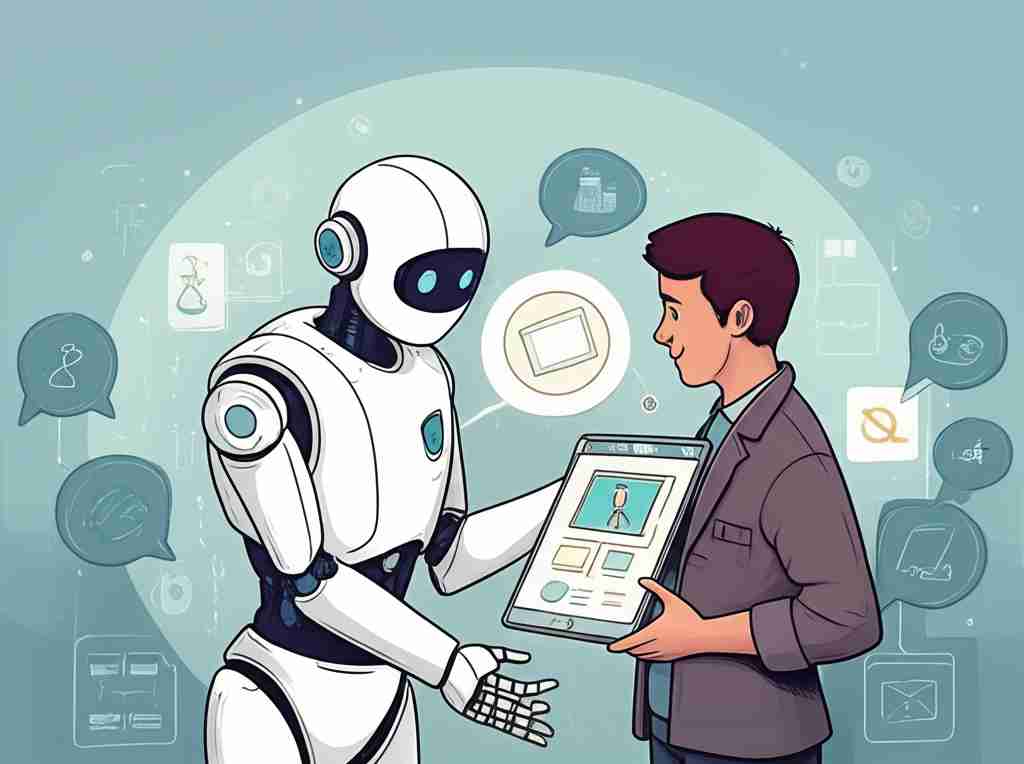
This misalignment of interests leads to what experts call resistance to change. Employees—who possess crucial process knowledge—may become less cooperative, delay projects, or even (consciously or unconsciously) sabotage implementation efforts. Meanwhile, leaders may underestimate these human barriers, assuming that acquiring the right tech is sufficient.
The Evidence: Research Shows People are Key to AI Adoption
A study conducted at CPA Practice Advisor found that the root of many failed AI initiatives is not technical complexity but internal misalignment and people-centric challenges. According to the researchers, companies that failed to properly engage, incentivize, and align their teams saw poor outcomes regardless of their chosen technology. The study emphasizes the importance of bridging the gap between leadership’s vision for AI and employees’ concerns about their roles. Effective AI adoption, as the research demonstrates, requires deliberate management of organizational change, communication, and incentives for all stakeholders. Read more in the full study.
Strategic Solutions: Turning People from Obstacles to Allies
How can companies overcome these people-related barriers and position themselves to truly benefit from AI? Practical field experience suggests multiple, actionable strategies:
- Dedicate an Internal Project Manager: Assign a team member whose primary responsibility during the project is ensuring smooth collaboration between the AI experts and internal teams. This shouldn’t be an afterthought or an extra task, but a clearly defined and incentivized role within the project.
- Link Incentives to Success: Offer meaningful incentives—bonuses, career development, or other benefits—to employees most involved in the AI implementation. This aligns their interests with leadership and builds genuine buy-in.
- Build Internal AI Automation Teams: Where possible, create dedicated AI-focused departments by retraining current employees. Not only do these team members intimately understand business processes, but inviting them into AI work improves morale and buy-in.
- Repurpose Employees, Don’t Just Replace: Rather than viewing headcount reductions as the only ROI from AI, redeploy freed-up employee capacity to higher-value tasks—such as relationship management or innovation—that machines can’t replicate.
- Invest in Education and Upskilling: Encourage and support your team in learning AI-related skills. Employees who understand both the business and technology will be invaluable in the AI-driven workplace of tomorrow.
When these strategies are applied, AI initiatives are far more likely to succeed; projects move faster, resistance declines, and employees feel empowered—not threatened—by new technology.
The Employee Perspective: How to Stay Relevant in an AI World
For individual professionals, the coming wave of AI is both a challenge and an immense opportunity. Many roles will change, some will be displaced—but new roles are also being created, often ones that we cannot yet fully imagine. The most practical advice for employees and specialists:
- Learn the Tech: Even basic familiarity with AI workflows and tools can significantly boost job security and market value.
- Combine Domain Expertise with AI Skills: Employees who know their area well and understand how to integrate AI will become essential liaisons—helping build, oversee, and maintain future AI systems.
- Consider Entrepreneurial Paths: Those with deep expertise in a particular industry may find unique opportunities to launch new AI-powered solutions or startups, leveraging their insider knowledge of real-world problems.
As businesses navigate AI adoption, employees who proactively upskill and work with the technology will not only stay relevant—they’ll thrive.
Conclusion: Make AI Transformation a People-Centered Process
AI’s transformative potential will only be realized when organizations look beyond the technology itself and focus on aligning, empowering, and incentivizing people. Internal resistance rooted in misaligned goals is one of the most significant barriers to successful adoption—yet it can be actively managed with the right approach. By dedicating project champions, rewarding collaboration, retraining and redeploying staff, and fostering a culture of learning, companies can unlock the full value of artificial intelligence. Ultimately, as leading research and real-world experience both show, technology alone isn’t enough: it’s about building teams, processes, and cultures that are ready to work with AI—together.
For further reading, see: Study: Why Some Companies Fail to Benefit from AI: It’s About the People, Not the Tech – CPA Practice Advisor
About Us
At AI Automation Brisbane, we understand that successful AI adoption hinges on people, not just technology. Our approach combines tailored automation solutions with hands-on support to help your team embrace change, streamline processes, and unlock real business value. We’re here to help you transform both your workflows and your workplace—ensuring AI benefits your whole organization.