The AI Music Problem on Spotify (and Other Streaming Platforms) Is Worse Than You Think
Introduction: The Unseen Threat of AI Music
Music streaming platforms like Spotify have radically changed the way we consume music, democratizing access for both listeners and creators. But beneath the surface, a new wave of artificial intelligence (AI) generated music is transforming not just how music is made, but who gets heard, who gets paid, and even what it means to be an artist. The “AI music problem” on Spotify and other streaming platforms is growing faster and deeper than most people realize, raising complex questions about creativity, compensation, and the very future of music itself.
The Rise of AI Artists and the Industry’s Complex Response
Recently, the music community was set abuzz by announcements that influential producers are embracing AI-generated artists and music. One major name, Timberland, revealed his involvement in launching an AI-powered entertainment company—including debuting Tata, a new AI pop star. The initial response was a flood of mixed reviews: some praised the visuals and innovation, while others voiced concern, confusion, or outright frustration.
In this heated debate, several important points emerged:
- Legitimacy vs. Authenticity: While some see AI collaborations as the next evolution after digital editing and autotune, others feel it’s removing the human touch vital to true artistry.
- Role of Major Producers: When top-tier figures embrace AI, it signals to aspiring artists that the technology is not just here, but potentially a new standard.
- Concerns Over Exploitation: Many worry that AI-powered platforms are trained on the backs of human artists—sampling or mimicking their talent without acknowledgment or compensation.
The live discourse made something clear: whether you’re an excited newcomer or a seasoned pro, regulation, transparency, and fair compensation are all urgently needed.
Are Streaming Platforms Protecting Artists? The Heart of the Problem
The biggest issue trouble the music industry today is the protection (or lack thereof) for human creators in the face of rapidly advancing AI. Both in the transcript discussion and in heated community feedback, these critical concerns surfaced:
- Unconsented Sampling: Many AI tools create music by scanning and learning from vast catalogs—including copyrighted materials—without asking permission or providing credit to original artists.
- Difficulty Tracing Ownership: As AI models become more sophisticated, it’s increasingly hard to tell which elements are original and which are copied. This muddying of creative ownership could reduce the value and recognition of unique talents.
- Compensation Models: Traditional royalty systems are ill-equipped to track and monetize the use of human work in AI-generated tracks. This means artists risk having their style, sound, or literal recordings used without fair pay.
- Cultural and Economic Disruption: The community fears a “technofeudalist” future where a tiny elite controls AI tools and the vast majority of artists lose both opportunities and income. There’s precedent: streaming platforms already caused a major shift from physical sales—with many musicians now earning only a fraction of past revenues.
These aren’t just theoretical concerns. Even top producers admit that, currently, AI can analyze and recreate a producer’s signature style—fast. For every Timberland using AI as a personal augmentation tool, there are thousands of others leveraging it for indistinguishable knockoffs. Without careful safeguarding, AI could accelerate a devaluation of music itself.
A study conducted at Music Business Worldwide supports these worries. Their analysis finds that AI-generated content is flooding streaming platforms, with little to no oversight over sourcing, compensation, or labeling. The key findings highlight an urgent lack of regulation—making it alarmingly easy for AI music to displace human creators and exploit their original work. Crucially, the research underlines that existing systems aren’t prepared for the scale and complexity of AI-generated content, putting pressure on platforms, rights organizations, and lawmakers to respond immediately.
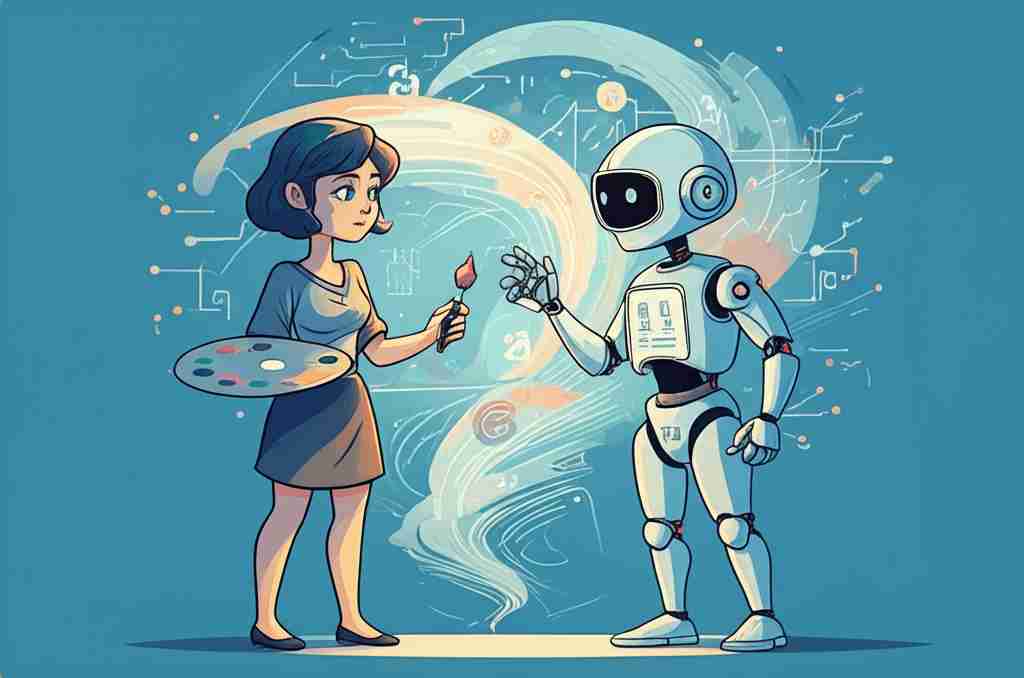
AI Music vs. Human Creativity: Is There Still a Place for Real Artists?
Some experts compare the arrival of AI music to earlier shifts in art and technology—like the transition from hand-drawn art to digital editing. At each turning point, humans had to adapt or risk being left behind. But music is different in some fundamental ways:
- Loss of Human Expression: To many, music’s value lies in its human imperfections—the emotion, spontaneity, and unique personal touch. Critics argue that AI, however advanced, is currently limited to remixing what’s come before, not generating true originality or feeling.
- Skill and Value: With AI lowering the barrier to entry, there will be countless more songs, but the difference between instant tracks and works deeply honed over years may become blurred.
- Live Experience: As pointed out in community discussions, live events and physical albums become more precious in an AI-saturated market. Original artistry and performance could stand out as authentic alternatives—especially for audiences seeking true human connection.
- Adaptation and Hybridization: Some see opportunity in combining AI prompting skills with musical training. Prompt engineering may become a craft of its own, but those with deeper knowledge of genre, history, and performance may create the most compelling works, blending both worlds.
Above all, the consensus is clear: AI is here to stay. But its value should come from empowering, not erasing, authentic human expression and creativity.
Solving the AI Music Problem: Transparency, Regulation, and Collective Solutions
If the AI music problem on Spotify and other platforms is worse than we think, what can be done? The answer is multi-faceted and requires the participation of artists, platforms, regulators, and listeners alike. Here are the practical steps being discussed, along with actionable takeaways:
- Mandatory Disclosure and Transparency: Streaming platforms must require clear labeling of AI-generated tracks and publicly document their data sources. If users can opt out of having their content used for AI training, so can musicians.
- Fair Compensation Models: Royalties must reflect not just full tracks, but sampled data and style mimicry. Revenue-sharing frameworks—possibly a “percentage of subscription” model—could route money back to the artists whose work trained AI models.
- Strengthening Copyright and NIL (Name, Image, Likeness) Rights: Robust legal protections should include an artist’s voice and style, in line with NIL. New laws could prohibit unauthorized use of these attributes in AI training and output.
- Education and Community Dialogue: Platforms and AI companies should invest in clear, inclusive education about how their tools work, how artists can control their involvement, and what safeguards are in place.
- Supporting Human-Centered Experiences: With AI flooding the market with generic or derivative works, there’s more reason than ever to support live events, exclusive performances, and products that celebrate human artistry and scarcity.
- Embracing Evolution—But Advocating Responsibility: The future belongs to those who balance adopting new tools with protecting the essence of the art form. Artists, technologists, and listeners must together shape the standards, not just follow them.
Conclusion: Where Do We Go from Here?
The AI music problem on Spotify and other streaming platforms is not just a technical issue but a social, cultural, and economic crossroads. We’re witnessing something more profound than another industry disruption: the very definition of creative ownership is at stake. Without careful stewardship, exploitation and confusion could drown out the voices and livelihoods of genuine talent.
But the answer isn’t to stop innovation; it’s to direct it wisely. By demanding transparency, updating compensation structures, and staying active in the conversation, both artists and audiences can ensure a future where technology serves creativity—not replaces it.
AI in music presents new challenges, but also opportunities for those who learn to wield it as a tool, not a replacement. Ultimately, music’s soul remains irreducibly human. How we protect, uplift, and honor that truth, as AI reshapes the musical landscape, is a question for all of us.
Source: The AI music problem on Spotify (and other streaming platforms) is worse than you think
About Us
At AI Automation Brisbane, we help businesses embrace smart AI solutions that streamline operations while valuing authentic human creativity. As technology continues to shape industries like music and beyond, our team ensures that automation enhances, rather than replaces, the unique talents at the heart of every organization. We’re committed to making AI accessible, responsible, and supportive for local businesses navigating the evolving digital landscape.